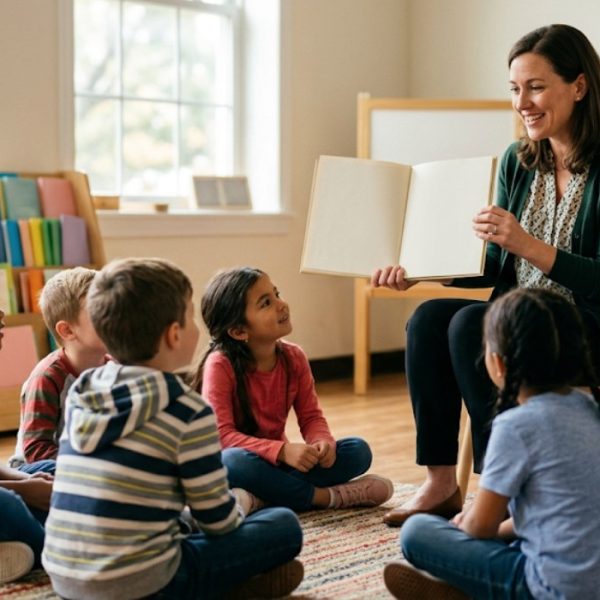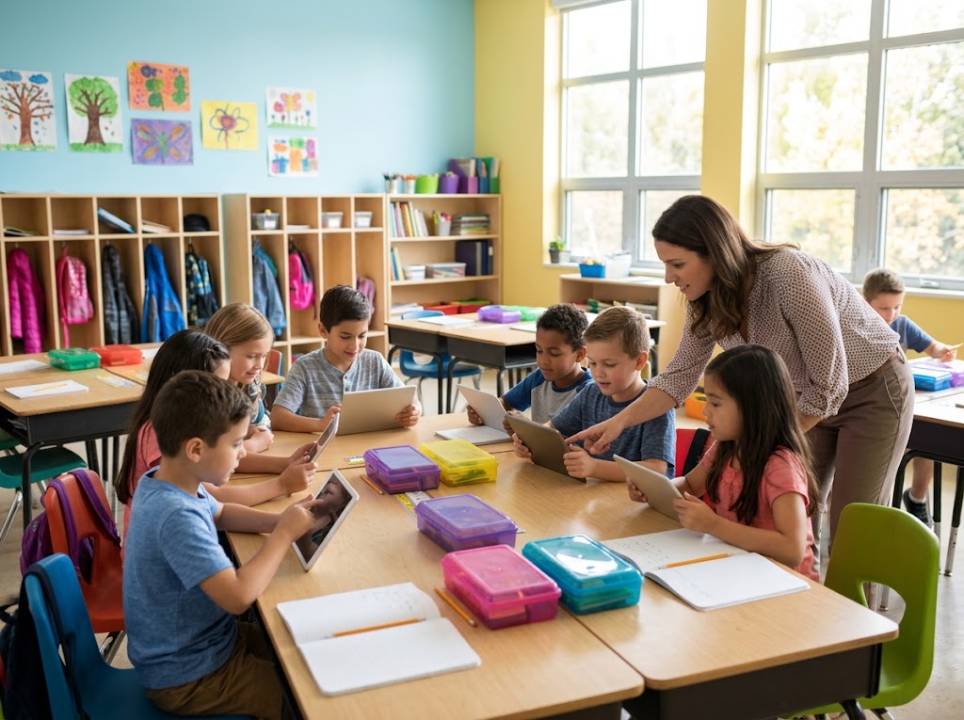
An elementary classroom today looks very different from the one most parents remember. Tablets sit next to picture books, children practise typing before they master cursive, and many classes include pupils who speak a different language at home. The goal of a modern primary school is to give every child the skills to function well in a technology driven information age, and language is a big part of that picture.
This article explains how schools can prepare young students for a digital and multilingual world, and how simple steps, from clear parent communication to reliable translation of key documents, make the journey easier for everyone.
Digital skills start early
Children now meet technology long before they reach school. By the age of seven, many can use a tablet, search for a video or record a short message. Teachers do not need to teach them how to swipe. They need to teach them how to use devices well: how to look for reliable information, how to be kind online and how to protect personal data.
UNESCO describes education as a human right and a lifelong process on its education pages, and digital literacy is increasingly part of that promise. A child who learns these habits early is better prepared for secondary school and beyond.
Technology works best in a classroom when it supports curiosity instead of replacing conversation.
A classroom with many languages
In many schools, a single class includes children from several countries. Some arrive with strong English, others know only a few words. Research and daily experience agree that children learn faster when their home language is respected and supported, not treated as an obstacle.
Teachers can help by using pictures, gestures and short sentences, by pairing newcomers with friendly classmates and by inviting families to share songs, stories and traditions. These small gestures make a child feel that they belong.
Talking to parents who speak another language
Good communication with families is just as important as good teaching. Parents need to understand reports, permission slips, health forms and safety notices. If they cannot read them, they cannot take part in their child's education.
Schools that serve a diverse community often keep a list of translators for the most common languages. Families from Ukraine, for example, may need a reliable ukrainian translation of school forms, vaccination records and notices, so that nothing is lost between the office and the kitchen table.
The same paperwork follows families outside school. Vaccination records, referrals and consent forms all pass through clinics as well as classrooms, and practices that serve multilingual neighbourhoods rely on medical translation services so parents can book appointments and follow treatment advice with confidence. A parent who understands a vaccination schedule at the school office should meet the same clarity at the doctor's desk. When both institutions speak the family's language, children miss fewer checks and settle faster.
Paperwork that comes with a new pupil
Enrolling a child from another country involves official papers. Schools often ask for proof of age, previous school records and sometimes medical information. A parent who arrives from abroad usually holds these documents in another language.
A practical guide to birth certificate translation explains what officials usually require and how to avoid delays. Having the translation ready before the first day means that the child can join class without waiting for a missing form.
Building a welcoming routine
Schools can make the first weeks easier with a simple routine. A short welcome meeting with an interpreter helps parents ask questions. A visual map of the building and a basic list of school words reduce anxiety. A buddy system lets the new child learn the daily schedule with a friend.
Teachers who have used these steps often report that children settle in more quickly and that parents feel more comfortable contacting the school.
Using technology to support learning
Digital tools can help in many ways. Picture dictionaries, reading apps and short videos give children extra practice in the school language. Voice recorders allow pupils to tell stories in their own words. Online platforms let teachers share homework with parents in clear, simple language.
The key is to use tools with purpose. A good rule is to ask whether a tool helps a child understand something better or express an idea more clearly. If it does not, it can wait.
Safety and privacy online
Primary schools also carry a responsibility to protect children's data. Passwords, photos and learning records need careful handling. Families should be told in plain language which tools the school uses and what information they collect, and these notices should be available in the languages families speak.
Clear rules for screen time are part of the same approach. Short, regular sessions with a defined goal tend to work better than long periods of free browsing.
What teachers and families can do together
Partnership is the strongest tool a school has. Teachers can send a short message each week that explains what the class is learning and how parents can help at home. Families can share which apps and books their child enjoys, and which words the child uses in each language.
When both sides share information regularly, small problems are caught early. A child who struggles with a new word or a login password can be helped quickly, and a parent who is unsure about a form can ask without embarrassment.
Looking ahead
The children in today's classrooms will work in a world where technology changes quickly and where people from many cultures collaborate every day. Schools that combine digital learning with respect for language give them a strong start.
The recipe is not complicated. Teach children to think, give them tools to explore, welcome every family in a language it understands, and keep the paperwork simple and clear.